

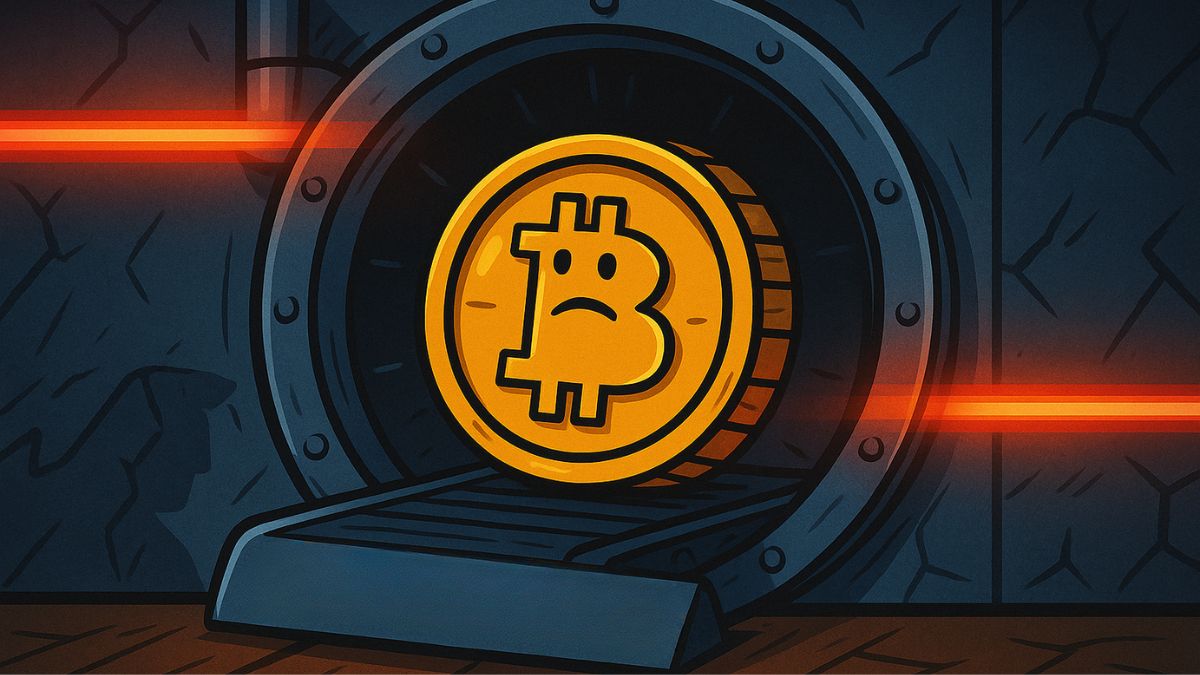
Bitcoin, the world’s first decentralized cryptocurrency, is a purely digital asset by design. Unlike traditional money, Bitcoin does not have a physical form that circulates in wallets or pockets. However, over the years, enthusiasts and artists have created tangible representations of Bitcoin to help visualize, collect, and even store the digital currency securely. So, what does an actual Bitcoin look like, and how does it connect to the digital network?
Bitcoin as a Digital Asset
At its core, Bitcoin exists as a record on a decentralized blockchain. Each Bitcoin is represented by a unique cryptographic address and a private key, which together allow ownership and transfer on the network. When someone says they “own Bitcoin,” what they actually control is access to a private key that proves ownership on the blockchain.


Because of this, there is no physical coin minted by a central authority. Bitcoin’s value is entirely in the digital ledger, verified by thousands of nodes around the world. Every transaction is cryptographically secured and recorded permanently on the blockchain, making Bitcoin fundamentally different from coins or bills in traditional currency systems.
Physical Representations of Bitcoin
Although Bitcoin is digital, physical coins have been created for collectors and enthusiasts. These coins are typically novelty items, commemorative pieces, or secure wallets containing private keys embedded in a tamper-evident form.
One well-known type of physical Bitcoin is the “Casascius coin,” created by Mike Caldwell between 2011 and 2013. These coins were made of metal, often with a gold or silver finish, and included a hidden private key under a holographic sticker. The sticker had to be scratched off to access the Bitcoin stored inside, linking the physical coin to a specific amount of digital currency. The designs usually featured the Bitcoin logo, a stylized letter B with two vertical strokes, and decorative engravings.
Collectors today prize Casascius coins, especially those loaded with significant amounts of Bitcoin, due to their rarity and historical significance. They are valued not only for their monetary contents but also as artifacts representing the early era of cryptocurrency adoption.
Other Physical Bitcoin Coins
Beyond Casascius, several manufacturers have produced physical Bitcoins for novelty or educational purposes. Some are purely symbolic and hold no real Bitcoin value, serving as reminders of the digital currency. These may be made of brass, gold, silver, or other metals, often featuring embossed Bitcoin logos or QR codes for aesthetic purposes.
Another approach involves “cold storage coins,” which are designed to securely store private keys offline. These coins might have holographic seals or scratch-off codes to protect the key from theft. In this sense, the physical coin is a secure key to access digital Bitcoin rather than Bitcoin itself. Such designs allow people to hold Bitcoin tangibly while keeping it safe from hackers.
What Bitcoin Coins Don’t Represent
It’s important to clarify that no physical coin, by itself, is actual Bitcoin unless it contains a valid private key. Coins without private keys are purely decorative and have no monetary value beyond collectible interest. Similarly, physical Bitcoins cannot be used for regular transactions unless the embedded private key is redeemed for digital currency.
Even coins with private keys have limitations. If the hologram protecting the key is damaged or compromised, the stored Bitcoin could be stolen or lost. This emphasizes that Bitcoin’s true essence is digital, and the physical form is mainly symbolic or a secure storage medium.
Visualization of Bitcoin in Everyday Life
Physical Bitcoins help people conceptualize the abstract concept of cryptocurrency. For new users, seeing a coin with the Bitcoin logo can make the idea of digital currency more tangible. Coins are sometimes used in marketing, educational demonstrations, or as conversation pieces among collectors and investors.
Some tech companies and crypto enthusiasts have produced oversized Bitcoin replicas, often made of metal or plastic, for display purposes at conferences or events. These replicas, while visually striking, are entirely symbolic and do not contain any value on the blockchain.
Digital vs. Tangible Reality
Bitcoin’s digital-first nature differentiates it from fiat money. Unlike coins minted by governments, each Bitcoin exists only as a set of encrypted transactions and account balances recorded on the blockchain. Physical representations serve as educational tools, collectibles, or cold storage devices but cannot replace the blockchain’s function.
Understanding the distinction between digital Bitcoin and its tangible forms is critical for investors and users. While a physical coin may hold a private key linking to Bitcoin, the underlying asset remains digital, and ownership requires interaction with the blockchain.
Conclusion
An actual Bitcoin, in the sense of currency, does not have a physical form—it exists purely as digital information on the blockchain. Physical Bitcoins, such as Casascius coins or other novelty and cold storage coins, are representations or secure containers for private keys, rather than Bitcoin itself.
These physical coins help visualize, store, and commemorate the revolutionary cryptocurrency, providing a tangible connection to a wholly digital system. While collectors prize them for their rarity, design, and historical significance, the true Bitcoin remains digital, decentralized, and cryptographically secured on the blockchain.
In short, Bitcoin is best understood as a digital asset with optional physical representations, where the coin you can hold is symbolic or serves as a key to access the digital currency. The tangible and the digital intersect, but the essence of Bitcoin remains firmly in the digital realm.