


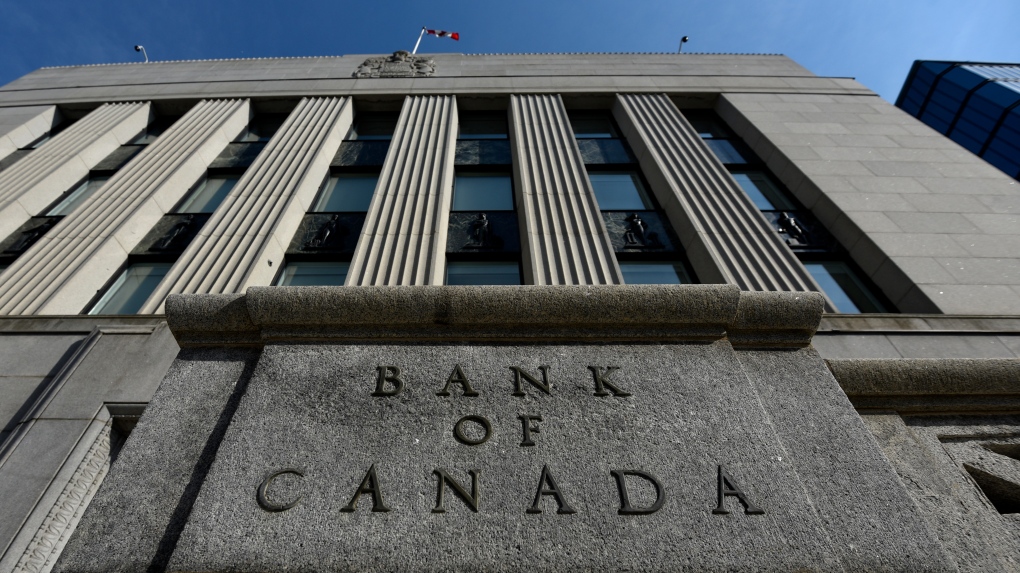
The Bank of Canada has indicated that its forthcoming stablecoin regulations will only approve high-quality tokens tied to central bank currencies.
This measure aims to ensure that stablecoins function as “good money” under Canada’s new regulatory framework expected in 2026.


Governor Tiff Macklem told the Montreal Chamber of Commerce, “We want stablecoins to be good money, like bank notes or money on deposit at banks.”
Pegging and Reserve Requirements
Macklem emphasized that stablecoins must maintain a one-to-one peg with a central bank currency and be backed by high-quality liquid assets, such as Treasury bills and government bonds.
This follows the 2025 Canadian budget report, which outlined requirements for sufficient reserves, redemption policies, and risk management frameworks.
These frameworks also include protections for personal and financial data.
Modernizing Canada’s Financial System
Canada is aiming to modernize its financial system for more than 40 million residents, making digital payments faster, cheaper, and more secure.
“The goal is to ensure Canadians can leverage the innovation of stablecoins and do so safely,” Macklem said.
Coinbase Canada CEO Lucas Matheson commented that the rules would “change how Canadians interact with money and the internet forever.”
Stablecoin regulations in Canada have gained momentum following the US GENIUS Act, which provides a comprehensive stablecoin framework.
The UK and Hong Kong have also advanced stablecoin regulations recently.
Complementing Banking and Payments
Canada is developing a “Real-Time Rail” system for instant settlements between businesses and consumers and an open banking framework to simplify switching banks.
The stablecoin market currently sits at $313.6 billion, with projections by the US Treasury suggesting it could reach $2 trillion by 2028.
Canada had previously considered issuing a central bank digital currency but canceled the plans in September 2024, citing insufficient justification.